
How to Boost Google Rankings for Your Website
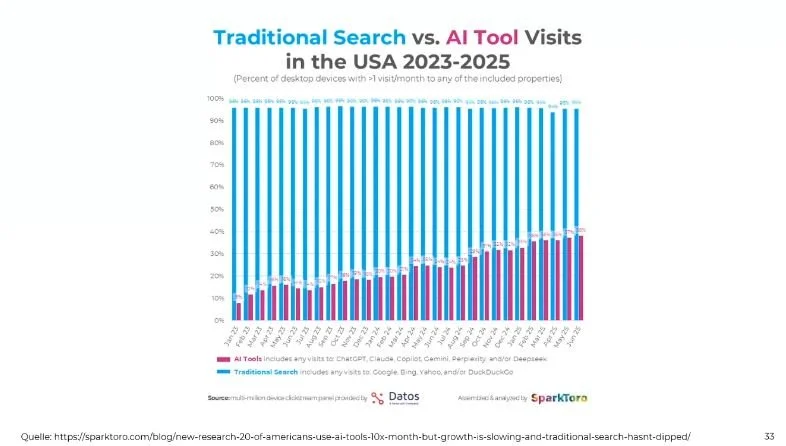
Image 1 -
Proof that Google still dominates how potential customers search!
Google’s dominance is still unbeaten, as seen here between 2023 and 2025. From 90% of searches coming from searching on Google to a slow, but constant decrease of Google as a search engine.
Answer what your potential customers troubles most. Answer their problems quick, and with confidence.
Speak from your experience as someone who solved a similar problem and give proof of it.
As you can see above, Google remains the undisputed leader in search, with roughly 90% market share worldwide, while AI-driven tools (like ChatGPT, Claude, Copilot, Perplexity and Deepseek) and chatbots are rapidly gaining traction.
Recent studies in 2025 show that a growing portion of adults use AI platforms like Copilot, ChatGPT, or Perplexity to answer questions, research products, or explore services.
As a website owner selling a service or product, you need a strategy that will ensure a constant boost of your website’s ranking on Google and in AI-powered search results.
Thankfully, AI doesn’t excel at SEO yet (this I believe when a UK SEO professional like Nikki Plikington claims so), so engaging a confident SEO strategist like me can only be beneficial for business owners.
How to Boost Google Rankings and Increase Visibility in AI Search Results
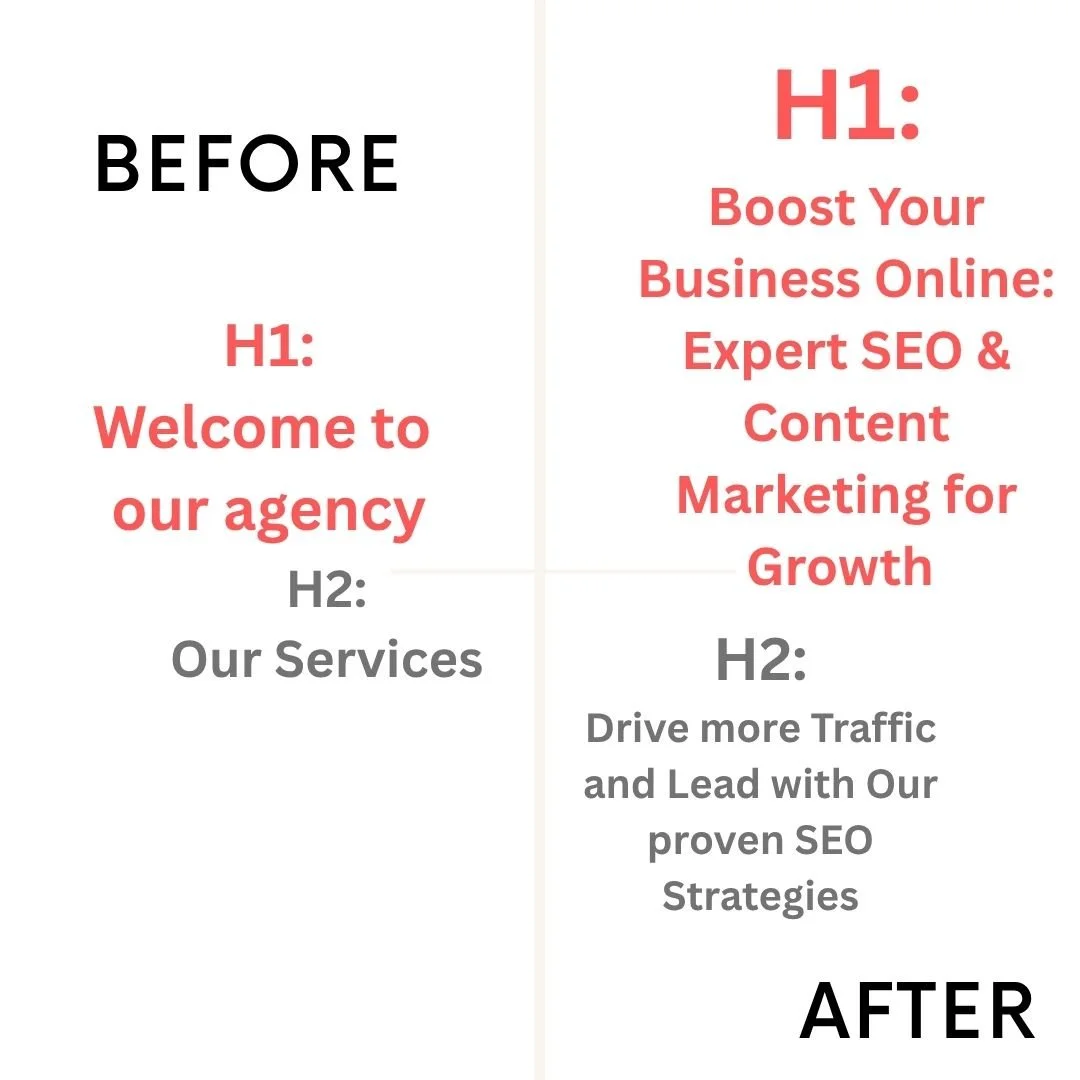
Image 2
This is the homepage’s main heading (H1). Underneath you see the subordinate heading (H2).
Before SEO optimization you only had “agency” - What kind of an agency?
After the optimization you have it more specified, concrete and clear.
To boost Google rankings, start with foundational SEO:
choose a focused keyword phrase
(like Croatian boutique hotel e.g. to set yourself apart from normal hotels in Croatia. You might also want to add “seaside” or “continental” for location)
craft a compelling title tag
(one that has the above keyword in it)
create meta descriptions that invite click,
make sure your site architecture is clean: your homepage links to your main service pages, with clear navigation and a logical hierarchy
At the same time, think about AI search visibility by writing short, precise summaries or “what we do” statements at the top of your pages.
These act like ready-made bites for AI tools that scan and surface responses directly from your content, helping you show up when users ask AI-generated assistants for help.
This video shows you how to boost Google rankings of your website within a month and a half! Maybe higher rankings are not that obvious, but you can see an increase of 40% in the number of website clicks. website clicksf
Proven On-Page Strategies to Boost Google Rankings and Stand Out in AI-Powered Search
On-page SEO remains the cornerstone of Google success.
Use headings (H1, H2, H3) that include your target keywords, and break content into digestible chunks with bullet lists, numbered steps, and clear definitions.
At best, combine SEO and copywriting.
Include all the above strategies to enhance AI visibility into your seo copywriting.
For AI search, you should also provide FAQ-style Q&A sections—AI bots love pulling from clear question-and-answer content.
Add structured data (schema markup) for your services and business to give Google rich snippets, but also to provide labeled, machine-readable signals that AI systems can use to understand and cite your content accurately.
Boosting page speed, mobile responsiveness, and user experience is critical: Google uses performance metrics in its algorithm, and if users have a smooth experience, AI tools are more likely to reference your site as a trusted source.
Optimise Your Homepage and Service Pages to Boost Google Rankings and Appear in AI Search Answers
Your homepage should deliver clarity — immediately communicate who you are, what you offer, and how you help, in a concise summary at the top.
This summary serves both human visitors (so they instantly understand your value proposition) and AI systems (which favor clear, to-the-point content for summarization).

Image 3 -
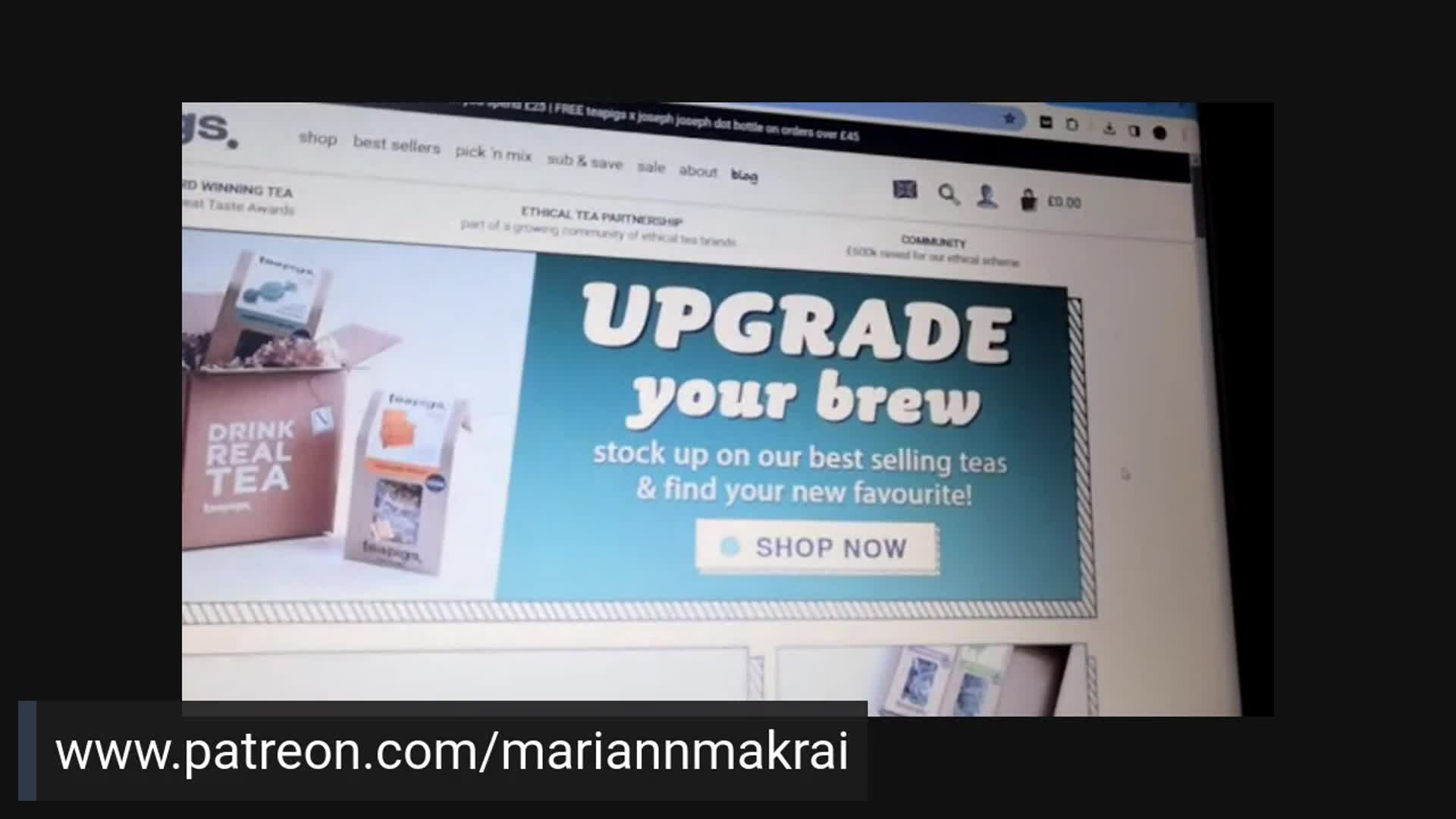
This is the hero section of a hotel’s website.
Can you tell?
Can you really tells that it’s a hotel this website promotes? Look at the headings. Does it say “hotel” in the main heading (H1)?
.
On your service pages, start with a short answer to “What you get,” followed by a detailed breakdown of deliverables, pricing, timelines, and benefits.
Include real-world case studies or metrics, such as percentage improvements or return on investment, since AI and Google both favor evidence-based content.
Add structured FAQ sections on common customer questions, phrased the way people would ask an AI (“How long does it take to see results?”, “Is there a money-back guarantee?”).
These sections give Google content to surface in “People also ask” boxes and provide AI agents with ready-to-lift content for their responses.


By combining these approaches — classic SEO for Google and a summary-friendly, structured layout for AI — you can boost Google rankings while also optimizing for the growing world of AI search.
This dual strategy we also use at Tralangia to ensure you’re not just capturing traditional search traffic but also being discovered through the next generation of conversational and AI-powered tools.
For more on how AI can help you write better website copy that appeals to both Google and AI audiences, see my earlier article: How Can AI Help Write Better Website Copy